

Definition and Importance of Flight Planning
Flight planning is a critical aspect of aviation operations, encompassing the preparation and coordination necessary to ensure the safe and efficient operation of a flight. This guide provides a detailed overview of the processes, tools, and considerations involved in flight planning.
Flight planning involves creating a detailed plan for the route, altitude, and schedule of a flight. It ensures compliance with aviation regulations, optimization of resources, and the safety of passengers and crew. Key goals of flight planning include:
- Ensuring the flight follows a safe and efficient route.
- Minimizing fuel consumption and operational costs.
- Avoiding restricted areas, adverse weather, and air traffic congestion.
- Route Selection
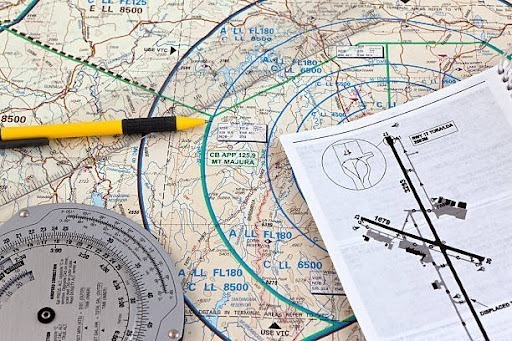
Route Selection
- Airways: Utilize designated airways for efficient navigation and compliance with air traffic control (ATC) regulations.
- Direct Routing: Where permissible, direct routing can save time and fuel.
- Avoidance of Restricted Areas: Ensure the route avoids military zones, restricted airspace, and other no-fly areas.
2. Fuel Planning

Fuel Planning
- Minimum Required Fuel: Account for the fuel needed for the route, including climb, cruise, and descent phases.
- Contingency Fuel: Additional fuel for unexpected delays or diversions.
- Alternate Fuel: Fuel required to reach an alternate airport in case of an emergency or diversion.
- Reserve Fuel: Mandated reserve fuel as per aviation regulations (e.g., 30 minutes of holding fuel for commercial flights).
3. Weather Considerations
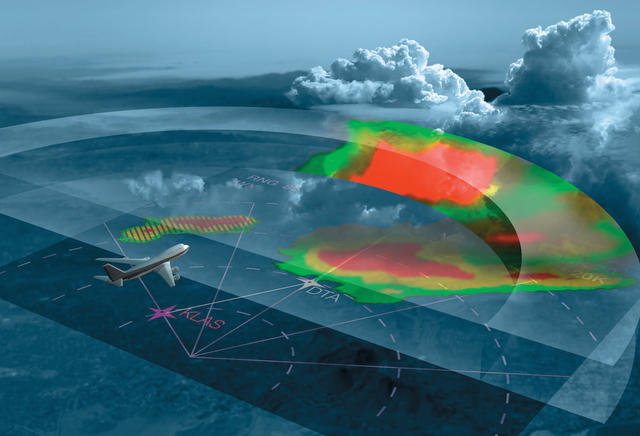
Weather Considerations
- Analyze real-time weather reports and forecasts (METARs and TAFs).
- Identify and plan to avoid areas with:
- Thunderstorms or turbulence.
- Strong headwinds or crosswinds.
- Icing conditions or reduced visibility.
4. Air Traffic Control (ATC)

Air Traffic Control (ATC)
- File the flight plan with ATC authorities for approval.
- Include waypoints, estimated times, and altitude for ATC coordination.
5. Aircraft Performance

Aircraft Performance
- Consider the aircraft’s operational limitations:
- Maximum takeoff weight (MTOW) and landing weight (MLW).
- Cruise speed and optimal altitude.
- Payload and fuel capacity.
6. Navigation
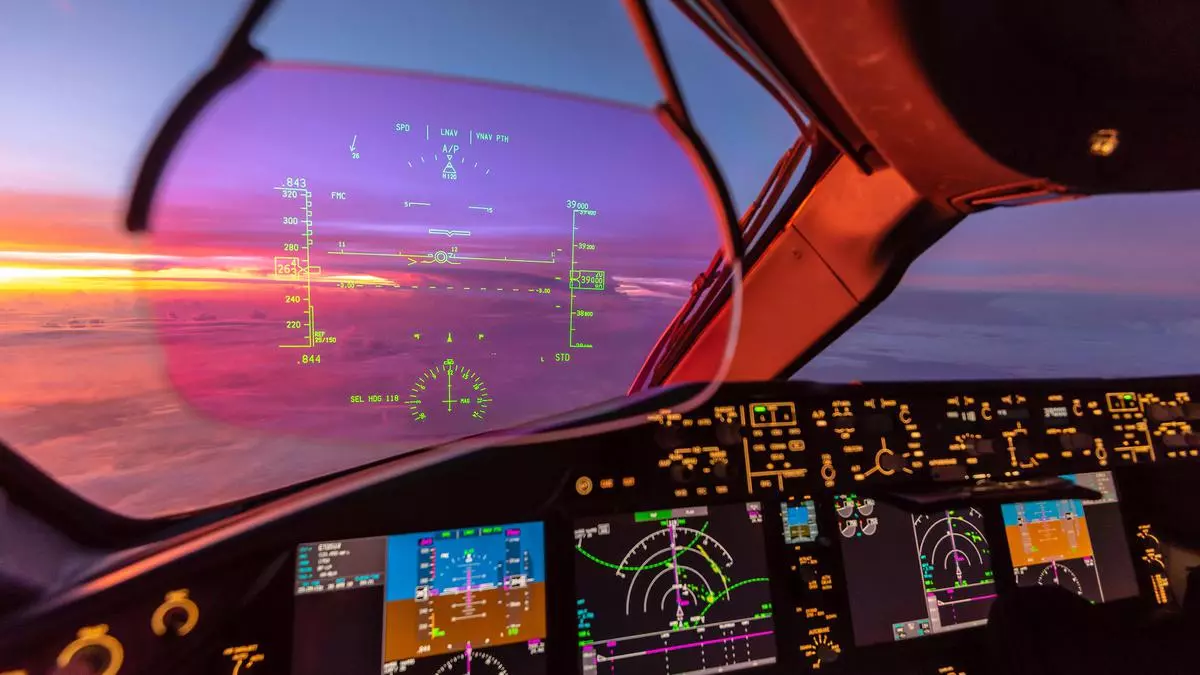
Navigation
- Use GPS, INS (Inertial Navigation System), or VOR-based navigation systems.
- Ensure the flight plan includes latitude and longitude coordinates for oceanic or remote routes.
Contact us
Enter your details in the form below to request no-obligation information on the services you require.
If you prefer – you can email us at: [email protected]
FAQ
JetMate Aviation offers:
- Expertise: Decades of experience in global flight operations.
- Efficiency: Tailored plans to save time and fuel.
- Compliance: Adherence to all international aviation standards.
- 24/7 Support: Our team is available around the clock for assistance.
JetMate utilizes advanced tools and software for:
- Real-time weather data.
- Airspace and route analysis.
- Fuel calculations.
- Aircraft performance monitoring.
Yes, JetMate specializes in international flight planning, including:
- Securing permits for overflights and landings.
- Complying with country-specific regulations.
- Optimizing routes for global travel.
Weather is a critical factor. JetMate monitors conditions like:
- Wind speeds and directions.
- Thunderstorms or turbulence.
- Temperature and icing risks.
- Visibility and fog.
Adjustments are made to ensure a smooth and safe flight.
Yes, all aircraft, including private jets, require detailed flight planning to ensure safety, efficiency, and compliance.
Yes, flight plans can be modified if necessary due to unexpected weather, operational requirements, or ATC instructions.
Key factors include:
- Airspace restrictions and regulations.
- Weather conditions.
- Aircraft performance and fuel capacity.
- Military or no-fly zones.
- Traffic congestion in airways.
The time depends on the complexity of the flight. A straightforward domestic flight may take less than an hour, while international or long-haul flights may require several hours.
Flight planning is typically handled by flight dispatchers or operations teams. At JetMate, our experienced professionals manage every detail for a seamless operation.
Flight planning includes:
- Route selection based on airways and waypoints.
- Weather analysis to avoid storms and turbulence.
- Calculating fuel requirements for the journey.
- Filing the flight plan with the appropriate aviation authorities.
- Considering alternate airports in case of emergencies.
Proper flight planning ensures:
- Safety: Avoiding hazardous weather and restricted airspace.
- Efficiency: Optimizing routes to save fuel and time.
- Compliance: Adhering to international aviation regulations.
- Passenger Comfort: Minimizing turbulence and delays.
Flight planning is the process of creating a detailed route for an aircraft to follow, taking into account factors like weather, airspace restrictions, fuel efficiency, and safety regulations.
