Smart Aviation Fuel Strategy: A Complete Guide to Cost Efficiency and Operational Reliability

Fuel represents one of the largest direct operating costs in aviation. When oil prices fluctuate, profit margins shift just as quickly. That’s why a smart aviation fuel purchasing strategy is not just beneficial — it’s essential.
At JetMate Aviation, we understand how crucial cost efficiency and reliable refueling operations are for private and commercial operators. This guide outlines key steps to optimize your aviation fuel strategy worldwide.
Choosing the Right Supplier or Distributor
Working directly with a local supplier might seem convenient, but for international operations, it’s rarely the most efficient choice.
Partnering with a global fuel distributor or flight support provider like JetMate Aviation brings clear advantages:
-
Access to multiple suppliers per airport, ensuring the best available rate.
-
Negotiated bulk discounts through aggregated purchasing power.
-
Simplified invoicing and payment processes with unified terms.
-
Seamless coordination with ground handling and permits.
Always confirm that your supplier or distributor is authorized to operate at the destination airport to avoid last-minute service issues.
Payment Methods and Their Impact
Different payment methods can significantly affect your fueling cost and convenience:
-
Credit accounts: Ideal for frequent operators, offering delayed payments and smoother cash flow.
-
Credit cards: Flexible for ad hoc flights but may include 2–3% transaction fees.
-
Cash: Universally accepted but less secure and harder to manage for crew members.
When comparing fuel quotes, always check accepted payment methods and any extra processing fees that may apply.
Fuel Price Updates and Validity
Fuel prices vary widely by region and update frequency. Understanding local cycles helps you plan uplifts efficiently:
-
Algeria: Prices update three times per month (1st, 11th, 21st).
-
UAE (Dubai, Abu Dhabi): Twice monthly (1st, 15th).
-
Europe: Usually monthly.
-
Busy hubs: Daily or real-time pricing.
Always verify the validity period of your quotation — some prices are indicative only and require final confirmation before uplift.
Taxes, Fees, and Regulatory Exemptions
Every country has unique fuel tax structures. Knowing when and how to apply exemptions can yield major savings:
-
VAT & Customs: Many countries exempt international commercial flights with proper AOC documentation.
-
Flight Type: Exemptions may not apply to general aviation or non-AOC flights.
-
EU Operations: Fuel is often exempt from excise duty for international sectors, though domestic legs may incur VAT.
-
Environmental Charges: New sustainability programs may introduce carbon or SAF-related fees.
If you’re uncertain, JetMate Aviation’s global operations team can verify applicable exemptions and required documentation before your flight.
Fuel Delivery Tickets – Accuracy Matters
Always verify your Fuel Delivery Ticket (Uplift Slip) before signing:
-
Quantity, density, and temperature data
-
Correct fuel type (Jet A / Jet A-1)
-
Supplier and contact details
-
Aircraft registration and flight number
-
Taxes, exemptions, and total cost
A correctly signed ticket ensures transparency and simplifies post-flight invoicing or audits.
Fuel Availability and Operational Planning
Fuel shortages can disrupt even the best-planned operations — particularly in regions with limited infrastructure.
Before departure:
-
Confirm fuel availability 24–48 hours in advance.
-
Rely on JetMate Aviation’s regional handling network for on-site coordination.
-
Consider tankering (uplifting extra fuel) if destination prices are high or uncertain.
Proper planning avoids costly delays and guarantees smooth turnarounds.
Service Quality and Refueling Delays
Low prices mean little if fueling delays your departure.
Choose suppliers known for:
-
Reliable ground equipment
-
Trained fueling staff
-
Prompt service during peak hours
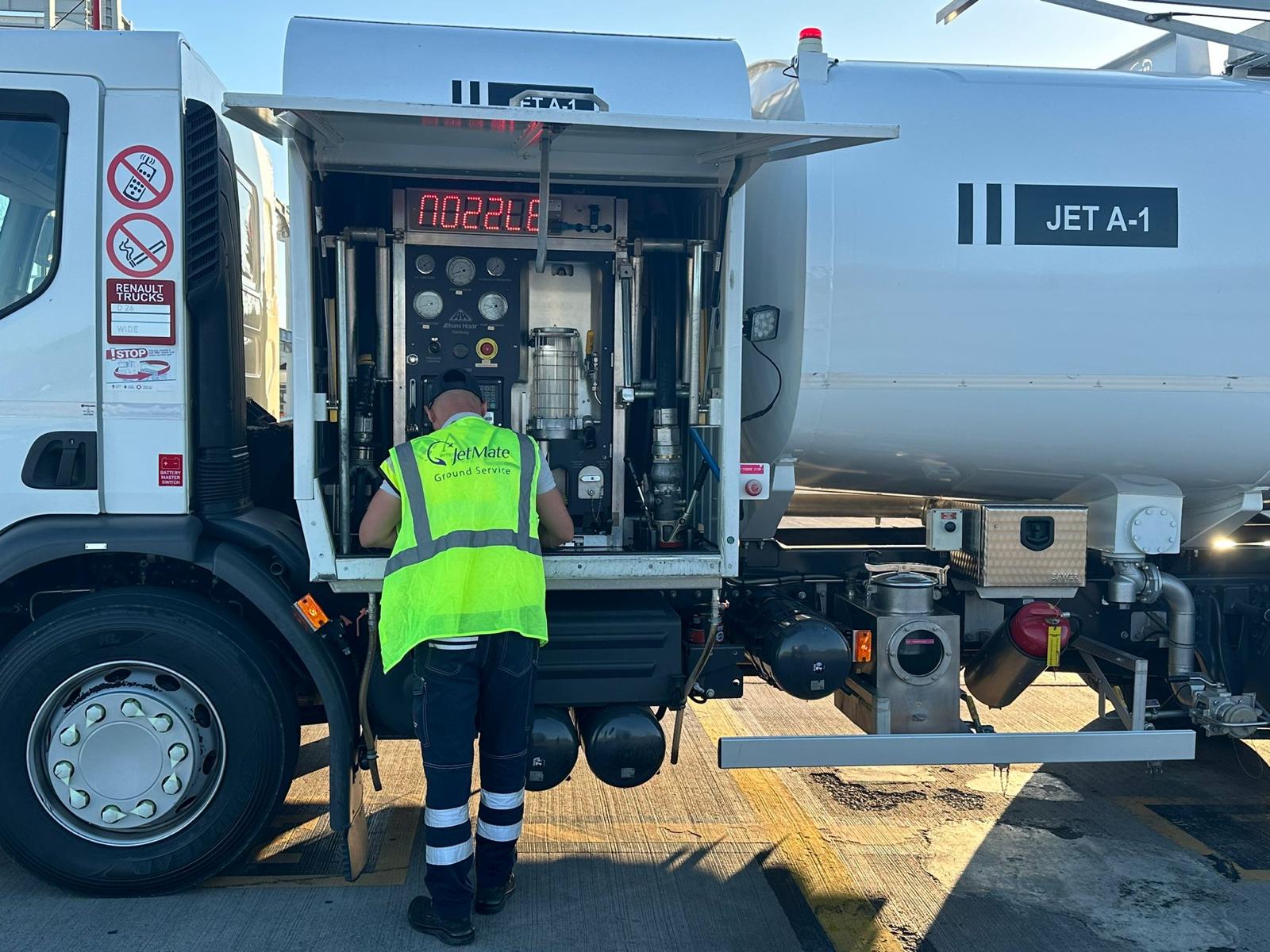
JetMate Aviation’s fuel coordination team ensures high service standards and minimal turnaround time at every destination.
Tankering Strategy – When It Makes Sense
Tankering (uplifting extra fuel from a cheaper airport) can be a smart cost-saving measure — but it requires analysis.
Benefits:
-
Avoids expensive destination fuel
-
Reduces exposure to shortages
-
Can bypass high tax locations
Considerations:
-
Increases aircraft weight and fuel burn
-
Limits payload capacity
Our flight planning experts can calculate whether tankering provides real savings for your route and aircraft type.
Planning Ahead – Your Competitive Edge
Proactive fuel planning is your key to efficiency.
Before each flight, ensure you have:
-
Confirmed supplier details
-
Tax exemption documentation
-
Fuel Release Authorization
-
Coordination with ground handling teams
With JetMate Aviation, your fuel logistics are integrated into overall trip management for a seamless operation.
Partnering with Professionals
International fuel procurement can be complex and time-sensitive. Partnering with JetMate Aviation simplifies the process through:
-
Centralized fuel management across multiple destinations
-
Pre-negotiated competitive rates
-
Local regulatory expertise
-
Real-time fuel availability updates
-
Streamlined billing and reporting
Whether it’s a business jet, charter, or cargo flight, we ensure your fueling process is cost-efficient, compliant, and on schedule.
Sustainable Aviation Fuel (SAF)
The aviation industry is moving toward greener solutions, and Sustainable Aviation Fuel (SAF) is leading the way.
-
SAF reduces CO₂ emissions significantly compared to Jet A-1.
-
Supports compliance with CORSIA and ESG requirements.
-
Usually blended with traditional fuel and must be pre-ordered.
Ask JetMate Aviation about SAF availability for your next mission and take a step toward cleaner aviation.