Boosting Flight Safety with Comprehensive Preflight Inspections
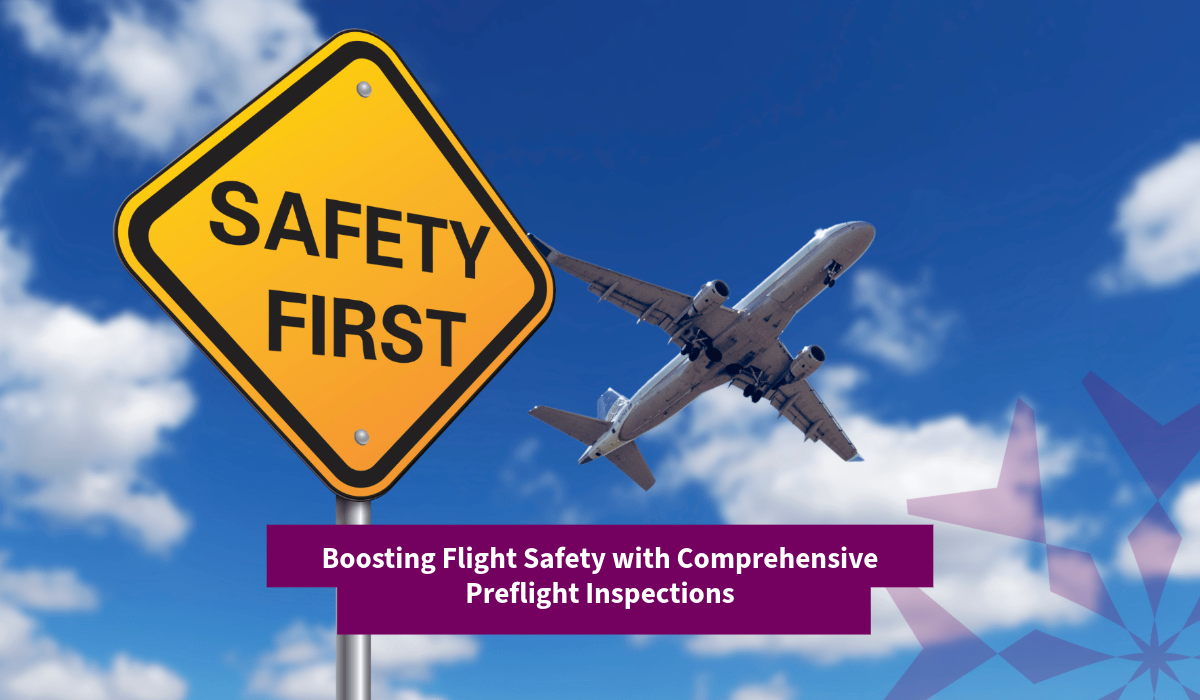
Ensuring flight safety begins long before takeoff. Advanced preflight checks are critical in identifying potential issues, mitigating risks, and maintaining operational efficiency. Here’s how operators can enhance safety through meticulous preparation.

1. Thorough Aircraft Inspection
-
Conduct a complete exterior and interior check, including:
-
Structural integrity (fuselage, wings, control surfaces)
-
Landing gear and tire condition
-
Fuel and oil levels, and potential leaks
-
Avionics and navigation equipment
-
-
Document findings to track trends and preempt recurring issues.
2. Verify Operational Documentation
-
Ensure all required documents are on board and current, such as:
-
Airworthiness certificates
-
Pilot licenses and medical certificates
-
Aircraft logbooks and maintenance records
-
-
Cross-check with regulatory requirements to avoid compliance issues.
3. Evaluate Weather and Environmental Conditions
-
Review updated weather reports along the planned route and alternate airports.
-
Consider wind, visibility, turbulence, and potential hazards like thunderstorms.
-
Adjust flight plans proactively to maintain safety margins.
4. Assess Flight Crew Readiness
-
Verify crew fitness, training, and currency for the specific operation.
-
Conduct briefings covering roles, responsibilities, and emergency procedures.
-
Encourage open communication to ensure all crew members are aware of potential risks.
5. Confirm Fuel and Payload Calculations
-
Check fuel requirements, accounting for route, reserves, and contingencies.
-
Verify weight and balance to maintain aircraft stability and performance.
-
Adjust cargo or passenger loads if necessary to comply with safety limits.
6. Test Critical Systems
-
Run preflight system checks for engines, hydraulics, avionics, and navigation aids.
-
Ensure redundancy systems are operational and accessible in case of failure.
-
Document any anomalies for immediate resolution.
7. Establish Emergency Preparedness
-
Review emergency procedures tailored to the route, aircraft, and conditions.
-
Verify onboard safety equipment, such as life vests, fire extinguishers, and first-aid kits.
-
Conduct drills or scenario discussions for high-risk or unfamiliar operations.
8. Implement a Preflight Checklist
-
Use a standardized checklist to ensure no step is overlooked.
-
Include country-specific regulatory requirements, airspace restrictions, and communication protocols.
-
Update the checklist regularly to reflect lessons learned and new safety standards.