The global aviation sector is once again being tested,this time not by a pandemic, but by geopolitics. As tensions escalate across the Middle East, the ripple effects are being felt far beyond the region’s borders, with jet fuel prices climbing sharply and airlines forced into difficult strategic recalibrations.
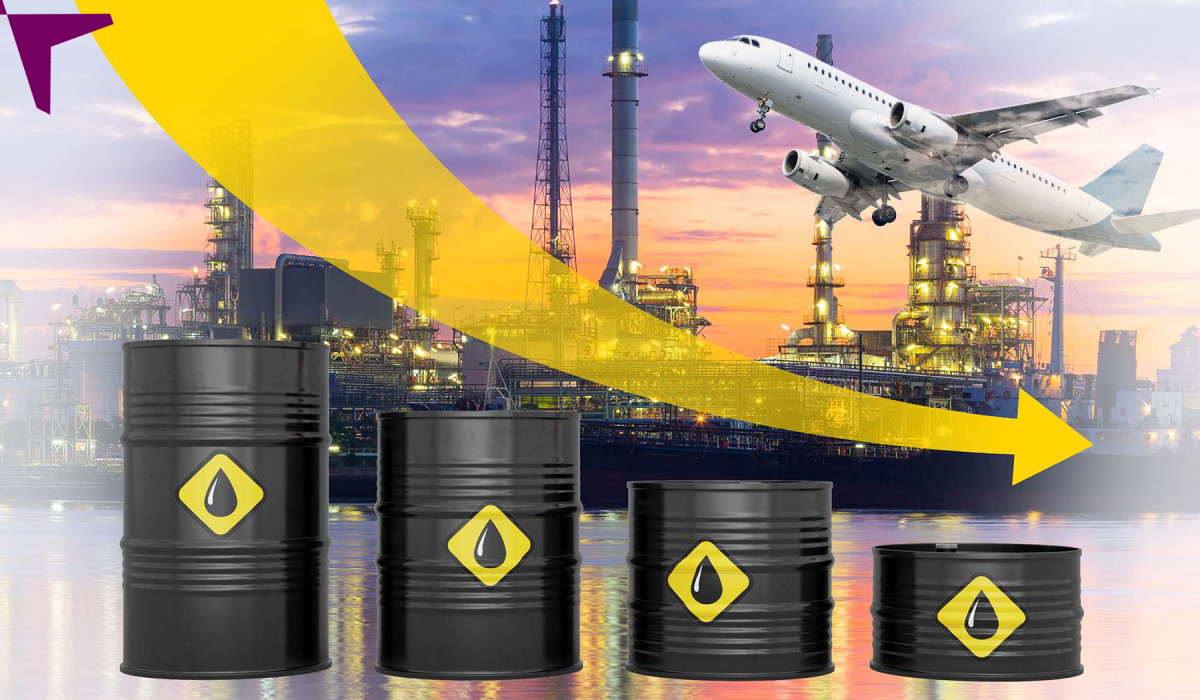
At the center of concern lies the Strait of Hormuz, a narrow but critical artery through which nearly a fifth of the world’s oil supply passes. Any disruption,real or anticipated has an outsized impact on global crude markets. Recent military escalations and heightened security risks have amplified volatility, pushing oil prices upward and, with them, aviation fuel costs.
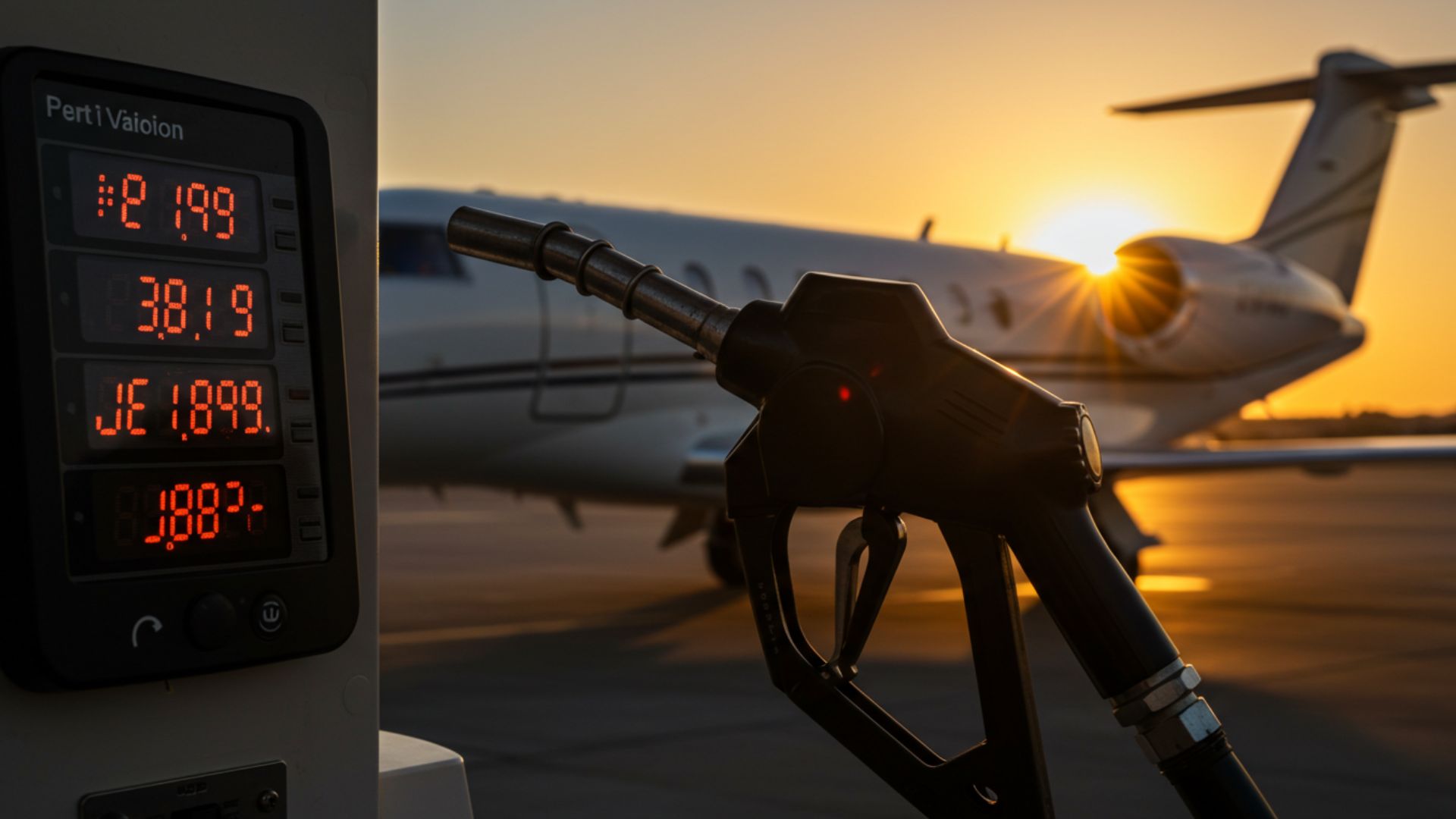
For airlines, fuel is not just another expense,it is often the single largest cost line, accounting for up to 30% of total operating expenditure. When prices surge, margins compress quickly. The result is a familiar playbook: fare increases, capacity adjustments, and route optimization. But in today’s fragile, post-pandemic recovery environment, these decisions carry more risk than ever. Travelers remain price-sensitive, and even modest fare hikes can dampen demand.
Across the industry, carriers are responding with a mix of short-term defenses and long-term strategy shifts. Some airlines are trimming less profitable routes or reducing flight frequencies to preserve yield. Others are leaning more aggressively into fuel hedging strategies to manage exposure. Meanwhile, premium service providers like JetMate Aviation are seeing increased demand for operational efficiency solutions, as private and corporate aviation clients seek smarter routing, optimized fueling, and cost control in an increasingly unpredictable environment.
The impact extends beyond airlines. Airports, ground handlers, and cargo operators are all absorbing higher costs, which inevitably filter down to passengers and shippers. Surcharges are quietly reappearing, and ticket pricing is becoming more dynamic-reflecting not just demand, but geopolitical risk.
Yet amid the turbulence, there is a structural shift underway. Rising fuel costs are accelerating the industry’s push toward efficiency and sustainability. Airlines are fast-tracking fleet modernization programs, investing in next-generation aircraft designed to reduce fuel burn. At the same time, sustainable aviation fuel (SAF) is gaining renewed attention not just as an environmental imperative, but as a hedge against long-term fossil fuel volatility. While SAF adoption remains limited by supply and cost constraints, the current crisis may act as a catalyst for faster scale-up.
The broader question for aviation leaders is not whether fuel prices will stabilize, but how long volatility will persist and how deeply it will reshape the industry. With geopolitical uncertainty tied closely to energy markets, the connection between conflict and cost has never been more direct.
In this environment, agility becomes the defining competitive advantage. Airlines and aviation service providers that can adapt quickly balancing cost management with customer expectations will be best positioned to navigate what lies ahead.
Because in today’s aviation landscape, the flight path is no longer determined by demand alone. It is increasingly shaped by geopolitics, energy flows, and the fragile equilibrium of global stability.