From Crisis to Opportunity: Flight Support Services Take Center Stage

Global aviation has always been cyclical, shaped by economic shifts, geopolitical tensions, and operational challenges. But in today’s environment, the scale and frequency of disruption have reached a new level—forcing the industry to adapt in real time.
Amid this turbulence, one sector is emerging not just resilient, but essential: flight support services.
Disruption Is Redefining Priorities
From sudden airspace closures to ongoing delays and rising fuel costs, commercial aviation is facing a convergence of challenges that are difficult to predict—and even harder to manage.
Airlines are being forced to reroute flights, adjust schedules, and navigate increasingly complex regulatory environments. For passengers, the result is inconvenience. For corporations and governments, it’s a logistical risk with real financial consequences.
This shift is driving a deeper reliance on operational precision—and that’s where flight support steps in.
The Backbone of Global Air Mobility
Flight support services have traditionally operated behind the scenes, ensuring that every flight has the necessary clearances, coordination, and ground infrastructure to operate smoothly.
Today, their role has expanded significantly. They are no longer just facilitators—they are problem-solvers in a rapidly changing environment.
Core services include:
- Overflight and landing permits
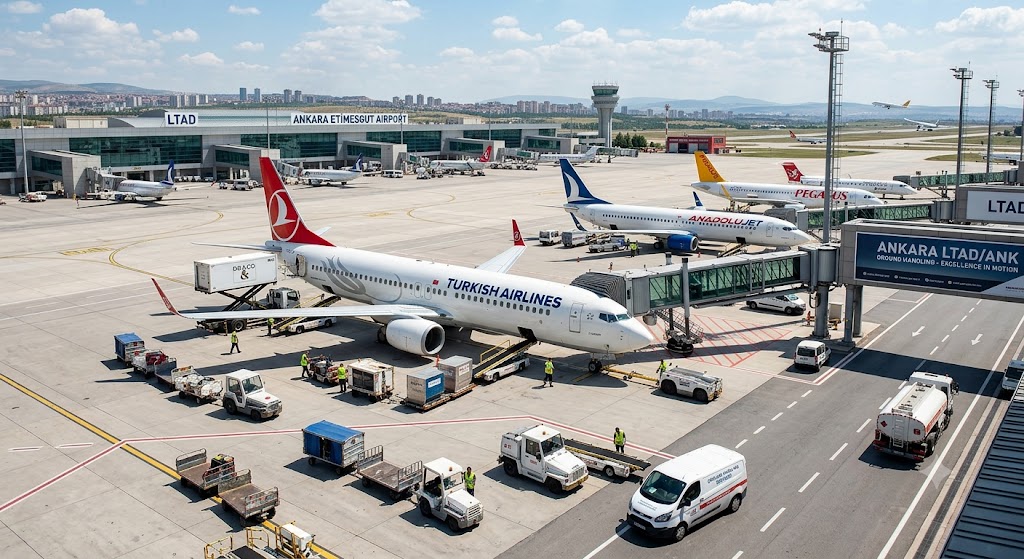
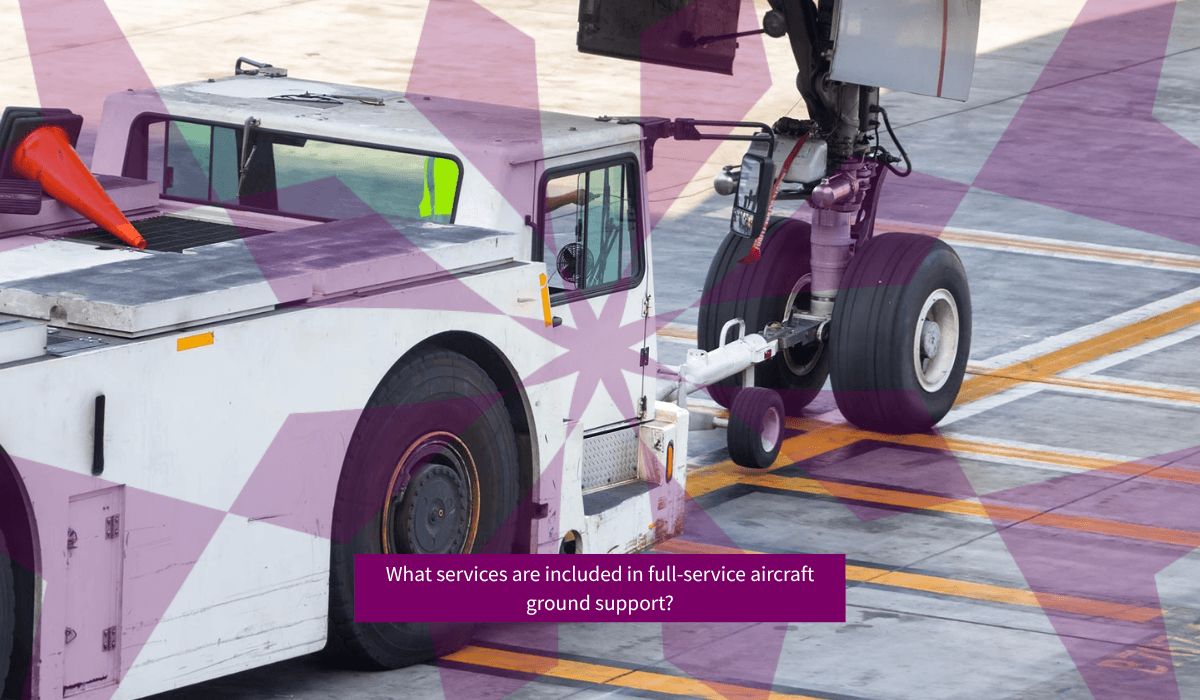
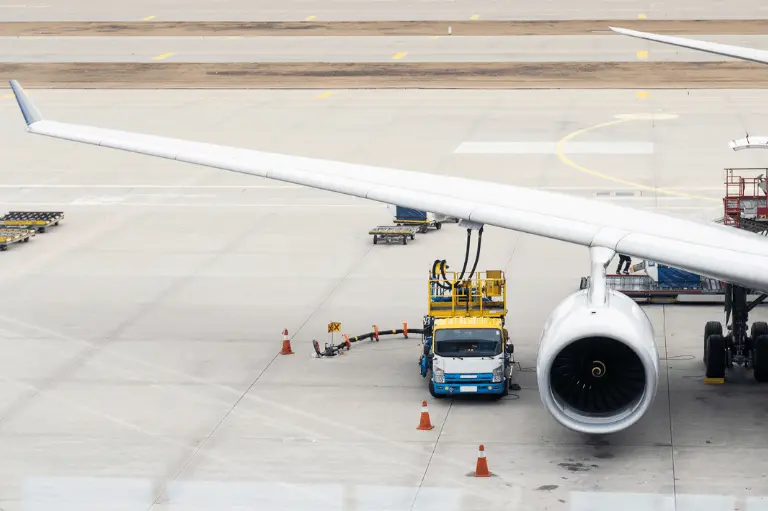
- Ground handling and fuel coordination
- Slot management and airport access
- Crew logistics and concierge support
In times of stability, these functions are routine. In times of disruption, they become mission-critical.
Turning Complexity Into Capability
One of the most significant challenges facing aviation today is the rise in operational complexity.
Flights are no longer simply point-to-point. They require:
- Dynamic rerouting across multiple jurisdictions
- Rapid approval from aviation authorities
- Immediate coordination with alternative airports
Each of these variables introduces friction—and each requires expertise to resolve.
Companies like JetMate Aviation are capitalizing on this shift by providing real-time coordination and global operational reach. With access to a wide network of airports and regulatory channels, they enable operators to adapt quickly without compromising efficiency.
Private Aviation Is Accelerating the Trend
As commercial aviation struggles with unpredictability, private aviation is experiencing renewed demand.
Business leaders, government entities, and high-net-worth individuals are increasingly prioritizing:
- Flexibility in scheduling
- Access to less congested airports
- Faster response times for urgent travel
But private aviation is only as efficient as the infrastructure supporting it.
Behind every successful private flight is a network of logistics, permits, and coordination—managed by flight support teams that ensure seamless execution.
From Cost Center to Strategic Advantage
Historically, flight support was viewed as a necessary expense—an operational requirement rather than a competitive advantage.
That perception is changing.
In today’s environment, effective flight support can:
- Reduce delays and operational risks
- Optimize routing and fuel efficiency
- Enable access to restricted or high-demand regions
- Maintain continuity during disruptions
For operators and clients alike, this translates into measurable value.
The Importance of Global Reach
Not all flight support providers are created equal. The ability to operate across multiple regions—especially in complex or restricted markets—is becoming a defining factor.
Providers with strong international networks and local expertise are better positioned to:
- Secure permits quickly
- Navigate regulatory nuances
- Provide on-the-ground solutions in challenging locations
This global capability is increasingly what separates standard service providers from strategic partners.
Human Expertise in a Digital World
While technology is improving visibility and communication across the aviation ecosystem, it cannot replace experience.
Real-time problem solving, negotiation with authorities, and crisis management require human judgment and industry knowledge.
The most effective flight support companies combine:
- Advanced operational systems
- 24/7 expert teams
- Strong relationships with global aviation authorities
This hybrid approach is what enables consistent performance in unpredictable conditions.