Ankara Airport LTAD/ANK Ground Handling
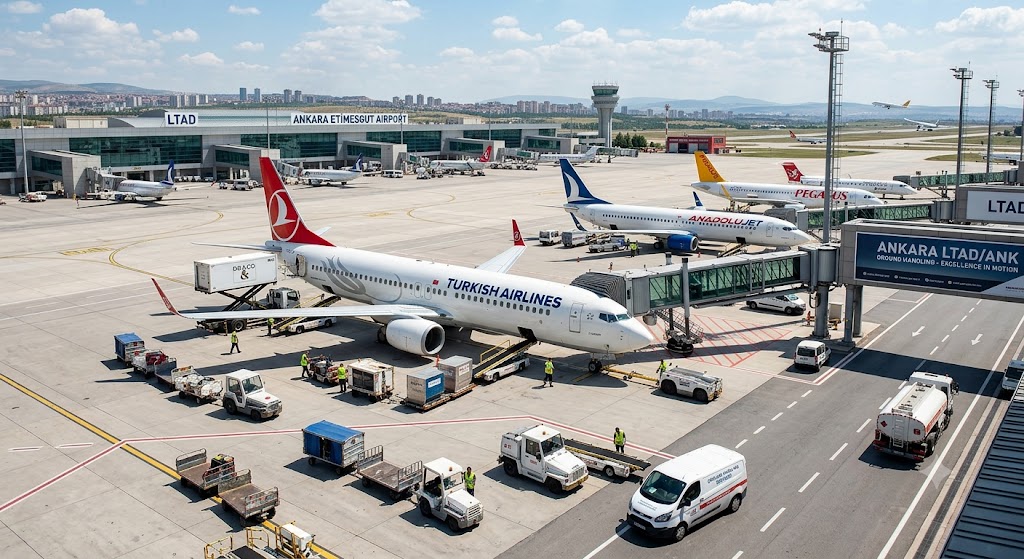
If you’re planning a flight into Ankara over the next few months, there’s a good chance your usual routine at Esenboğa (ESB) doesn’t apply anymore. Turkey has a second Ankara gateway now Ankara Airport, ICAO LTAD, IATA ANK and it’s already absorbing a wave of VIP, diplomatic, and business aviation traffic that used to funnel through Esenboğa alone.
For flight operators, charter brokers, and corporate flight departments, that shift raises a very practical question: who’s handling the ground side at a brand-new airport with a still-forming service ecosystem?
This guide walks through what ANK is, why ground handling there looks different from a legacy airport, and how to make sure your aircraft, crew, and passengers aren’t the ones stress-testing a new facility’s operations.
What Is Ankara Airport (LTAD/ANK)?
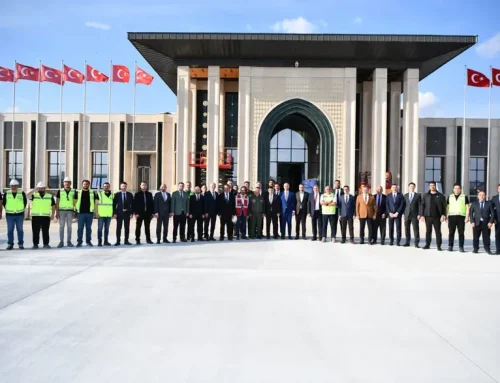
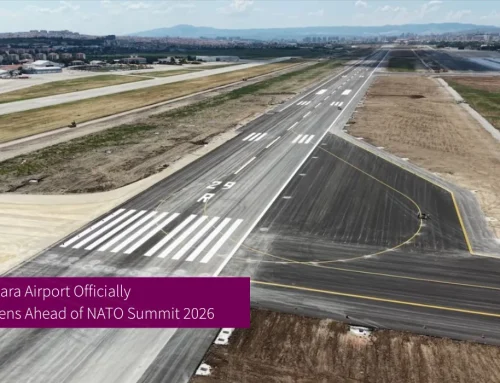
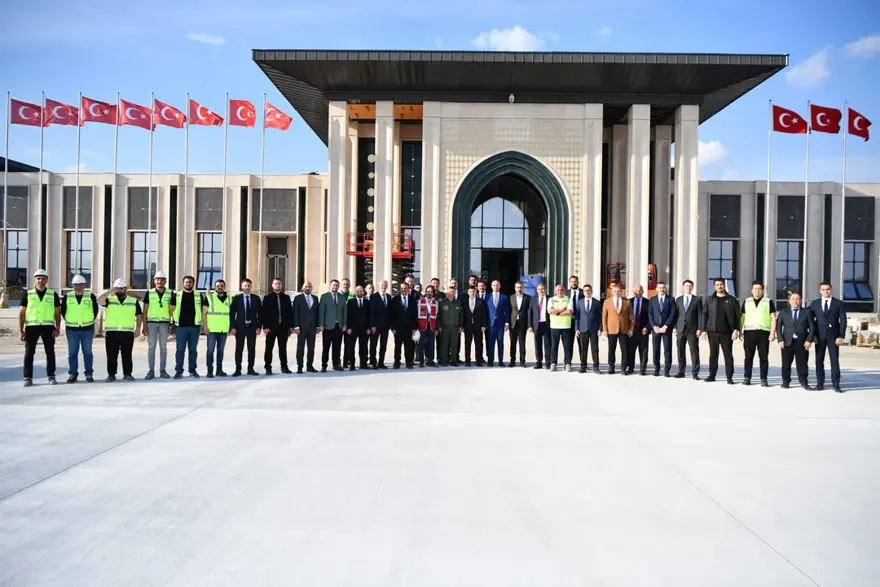
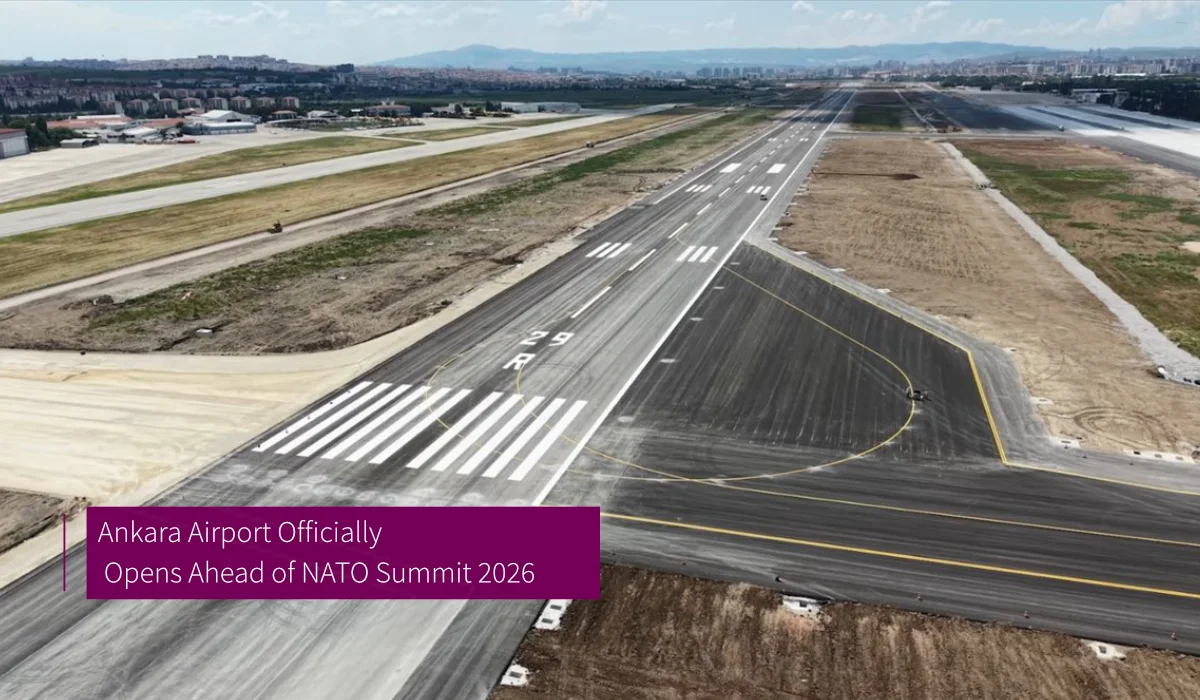
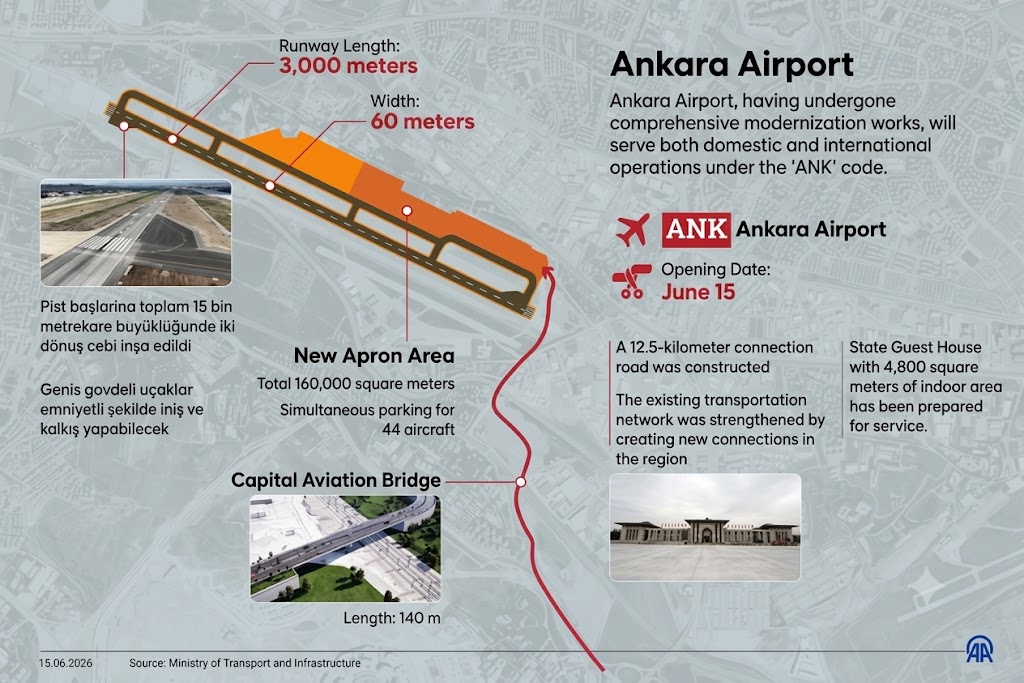
Ankara Airport was formerly Etimesgut Air Base, a military field jointly run by the Turkish Air Force and the Turkish Aeronautical Association. On June 15, 2026, President Recep Tayyip Erdoğan officially inaugurated it as Ankara’s second civilian aviation hub, following a rapid 230-day transformation.
The driver was diplomatic capacity. Esenboğa Airport (ESB) has grown from roughly 3 million to close to 15 million annual passengers over the past two decades, and it simply wasn’t built to absorb the volume of state aircraft, security details, and delegations arriving for events like the NATO Leaders’ Summit on July 7–8, 2026 widely described as one of the most consequential meetings in the alliance’s recent history. ANK was purpose-built to take on that VIP and government traffic while Esenboğa keeps running commercial flights uninterrupted.
And the summit is only the start. Turkey’s 2026 calendar also includes COP31 in November, expected to draw well over 100,000 participants from nearly 200 countries, plus what officials have called a broader “year of summits.” Each of those events means another wave of state and business aviation into the region.
Why Ground Handling at ANK Is a Different Conversation
Opening a new airport doesn’t just mean a new runway it means a ground services ecosystem that’s still being built out in real time: handling agents, fuel suppliers, catering, customs processing, and slot coordination are all scaling up together. That’s very different from flying into an airport with 30 years of established FBOs and handlers on the ramp.
In practice, that means operators flying into LTAD/ANK right now need a few things sorted out well before wheels-down:
- Landing and overflight permits processed correctly for Turkish airspace, with enough lead time to account for a newly designated ICAO code in the system
- Ramp and ground handling coordination someone physically present to manage marshalling, ground power, baggage, and turnaround
- Fueling arrangements confirmed in advance rather than assumed, since fuel supply chains at a new facility aren’t always as deep as at a legacy hub
- Customs and security facilitation, especially relevant given ANK’s role hosting official delegations and heightened security postures around events like the NATO summit
- VIP and diplomatic-standard services ANK was specifically designed for head-of-state and government traffic, so expectations around discretion and service level are higher than average
Skip any one of these and you’re troubleshooting on the ramp instead of on the ground before departure not where you want to be discovering gaps.
Who Actually Needs This Right Now
If any of the following describes your operation, ANK ground handling planning is worth getting ahead of:
- Charter operators and brokers routing clients through Ankara for the NATO summit period or later in 2026
- Corporate flight departments supporting executives traveling to Turkey for government or diplomatic meetings
- Business aviation operators unfamiliar with LTAD as a destination and needing local ground support
- Ferry and positioning flights that will touch Ankara airspace during the 2026 event calendar
How JetMate Supports Operators Flying Into ANK
JetMate Aviation has been supervising flight support operations across Turkey and the wider MENA and Africa corridors, and we’ve been tracking ANK’s rollout closely since the airport opened. Our team handles the coordination work so your crew doesn’t have to improvise on arrival:
- Permit processing for overflight and landing permits across Turkish airspace
- On-the-ground ground handling supervision at LTAD/ANK, coordinated with local providers as the airport’s own ecosystem matures
- Fueling arrangements confirmed and locked in ahead of your flight
- VIP and diplomatic-standard trip support for sensitive or high-profile movements
- Real-time coordination during high-traffic periods like the NATO summit and COP31
If you’ve read our earlier coverage on Ankara Airport officially opening ahead of the NATO summit or on how to operate at ANK smoothly, this is the practical next step: getting your specific flight sorted with a team that’s already working the airport.
Flying into LTAD/ANK in the coming months? Get in touch with JetMate for a ground handling quote before you file your flight plan.
Frequently Asked Questions
Is Ankara Airport (ANK) the same as Esenboğa (ESB)? No. They’re two separate airports. Esenboğa (ICAO: LTAC) is Ankara’s established commercial airport. Ankara Airport (ICAO: LTAD, IATA: ANK), the former Etimesgut Air Base, opened in June 2026 as a second hub focused primarily on government, diplomatic, and VIP traffic.
Does ANK have full ground handling infrastructure yet? The airport underwent major upgrades runway improvements, expanded apron capacity, and dedicated VIP infrastructure ahead of its opening, but as with any newly commissioned airport, the surrounding service ecosystem (handlers, fuel, catering) is still scaling up. Working with a supervision partner that coordinates these services directly reduces the risk of gaps.
How far in advance should I request ground handling at ANK? Given the elevated security posture around events like the NATO summit and the airport’s early operational stage, we’d recommend requesting permits and handling arrangements as early as possible, ideally several weeks ahead of your planned arrival.
Can JetMate arrange overflight permits and ground handling together? Yes. JetMate handles permit processing and ground handling coordination as part of the same flight support package, so operators have a single point of contact rather than juggling multiple providers.
📞 24/7 Ops Desk
📞 Phone (Ops):
Or
Fill the form below