Business Aviation Solutions 2027 | JetMate Aviation

Business aviation continues to evolve as operators demand greater flexibility, operational efficiency and reliable access to airports worldwide. In 2027, the ability to coordinate complex flight operations, secure essential permits and arrange ground services efficiently will remain central to successful aviation operations.
From private jet operators and corporate flight departments to charter companies and cargo operators, aviation businesses increasingly depend on integrated operational solutions that simplify every stage of a journey.
The future of business aviation is not simply about flying faster or reaching more destinations. It is about building a reliable operational network that supports aircraft, crews and passengers wherever they need to go.
1. Global Flight Support and Operational Coordination
International aviation operations involve multiple requirements, including flight planning, overflight permissions, landing clearances, airport coordination and regulatory compliance.
Managing these requirements across different countries can be challenging, particularly when operating on tight schedules or serving destinations with complex aviation procedures.
Professional flight support providers help operators coordinate these requirements through a centralized operational approach.
Key services include:
- Flight planning and operational coordination.
- Overflight and landing permits.
- Airport slot coordination.
- NOTAM and weather information.
- Route optimization and operational monitoring.
- 24/7 flight support assistance.
In an increasingly connected aviation environment, timely communication and reliable coordination are essential to minimizing operational disruptions.
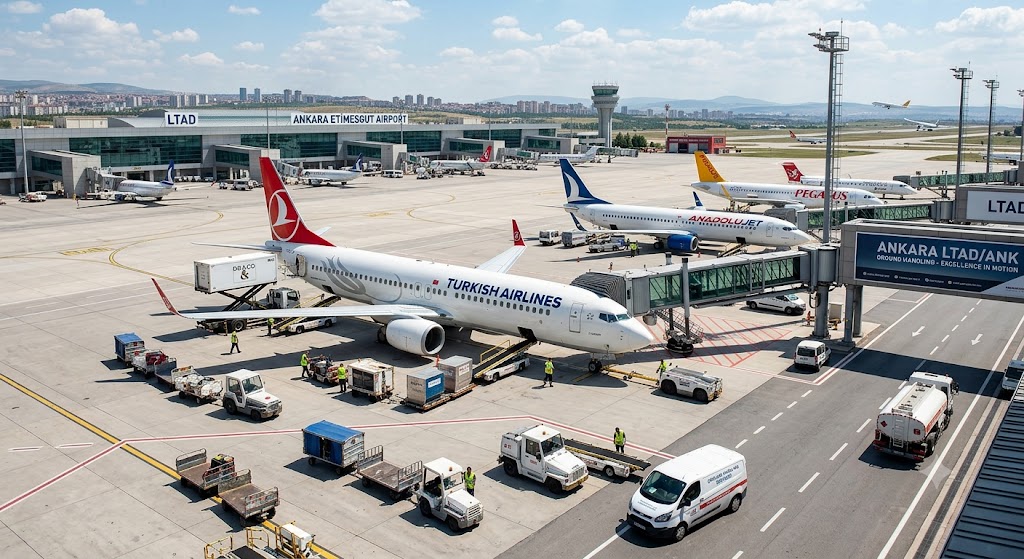
2. Ground Handling and Airport Services
Ground handling remains one of the most important elements of a successful business aviation operation.
Aircraft turnaround times, passenger requirements, crew arrangements and airport procedures all require effective coordination between operators and local service providers.
Ground handling solutions may include:
- Aircraft arrival and departure coordination.
- Passenger and crew assistance.
- Ramp services and aircraft parking arrangements.
- Baggage and cargo coordination.
- VIP and executive passenger services.
- Aircraft cleaning and additional airport arrangements.
For business aviation operators, selecting the right local service partners can significantly improve the overall operational experience.
3. Aircraft Fueling Solutions
Fuel availability, competitive pricing and reliable delivery are important considerations for aircraft operators.
Fueling coordination becomes particularly important when operating across multiple countries, remote destinations or airports with varying service capabilities.
Professional fueling support can help operators arrange:
- Jet A-1 fuel supply.
- Fuel quotations and price comparisons.
- Fuel release coordination.
- Supplier and airport communication.
- Fuel availability checks.
- Fuel arrangements for charter, cargo and business aviation operations.
Effective fuel management helps operators maintain cost control while ensuring that aircraft are ready for their scheduled operations.
4. Private Jet and Business Aviation Support
Private aviation requires a different level of operational flexibility compared with scheduled commercial aviation.
Last-minute schedule changes, passenger preferences, aircraft positioning and destination requirements often require rapid coordination.
Business aviation support services can include:
- Private jet flight support.
- Aircraft charter coordination.
- VIP airport arrangements.
- Executive ground transportation.
- Hotel and accommodation arrangements.
- Crew accommodation and transportation.
- Concierge and special passenger services.
The objective is to create a seamless experience for both operators and passengers, from departure to arrival.
5. Cargo and Special Mission Aviation
Cargo operations and special aviation missions require careful planning, particularly when operating under strict timelines or transporting specialized cargo.
The operational requirements may differ depending on aircraft type, destination, cargo category and local airport regulations.
Essential support services include:
- Cargo flight permits.
- Airport handling coordination.
- Landing and parking arrangements.
- Fueling coordination.
- Special cargo operational assistance.
- Air ambulance and medical flight coordination.
- Governmental and diplomatic flight support.
Having access to experienced local aviation partners can help operators manage complex requirements across international destinations.
6. Technology and 24/7 Operational Support
Technology is becoming increasingly important in business aviation, particularly in operational communication, information management and flight coordination.
However, technology alone cannot replace experienced operational teams and established local networks.
In 2027, successful aviation support will increasingly combine digital tools with human expertise to deliver:
- Faster operational responses.
- Centralized communication.
- Real-time flight coordination.
- Improved supplier communication.
- Better operational visibility.
- Continuous support across time zones.
A reliable 24/7 operational support structure is particularly valuable for operators conducting international and time-sensitive flights.
7. Choosing the Right Business Aviation Support Partner
Selecting an aviation support partner is an important operational decision.
Operators should consider several factors before establishing a long-term relationship:
Global Coverage: Access to a broad network of airports and local aviation service providers.
Operational Experience: Proven experience coordinating different aircraft types and operational requirements.
24/7 Availability: Continuous assistance for urgent requests and schedule changes.
Transparent Pricing: Competitive quotations and clear communication regarding service costs.
Reliable Communication: A responsive team capable of coordinating multiple service providers efficiently.
Regional Knowledge: Understanding of local aviation regulations, airport procedures and operational challenges.
The right partner should provide more than individual services. It should help operators simplify their entire operational process.
JetMate Aviation: Supporting Business Aviation Worldwide
At JetMate Aviation, we understand that successful aviation operations depend on coordination, experience and reliable global partnerships.
With our operational presence in Dubai, Istanbul and Geneva, and an international network of aviation service providers, we support operators across multiple regions, including Europe, Africa, the Middle East and Central Asia.
Our services include:
- Ground Handling Coordination
- Aircraft Fueling
- Flight Permits
- Flight Planning
- Private Jet and Charter Support
- Cargo Flight Support
- VIP and Special Mission Coordination
Our operational team provides 24/7 assistance, helping operators coordinate essential aviation services and manage their international flight requirements.
Whether arranging a single flight or supporting recurring operations, JetMate Aviation works to deliver practical, responsive and cost-effective aviation solutions.
Looking Ahead: Business Aviation in 2027
As the aviation industry moves forward, operational reliability, global connectivity and service integration will continue to shape the business aviation landscape.
Operators that establish dependable partnerships and streamline their operational processes will be better positioned to manage changing requirements and expand into new markets.
The future of business aviation will belong not only to those who operate aircraft, but also to those who make every flight possible.
Need reliable flight support for your next operation?
Contact JetMate Aviation for professional flight support, ground handling, fueling and permit coordination worldwide.
Website: https://jetmate.aero
Email: [email protected]
24/7 Operational Support