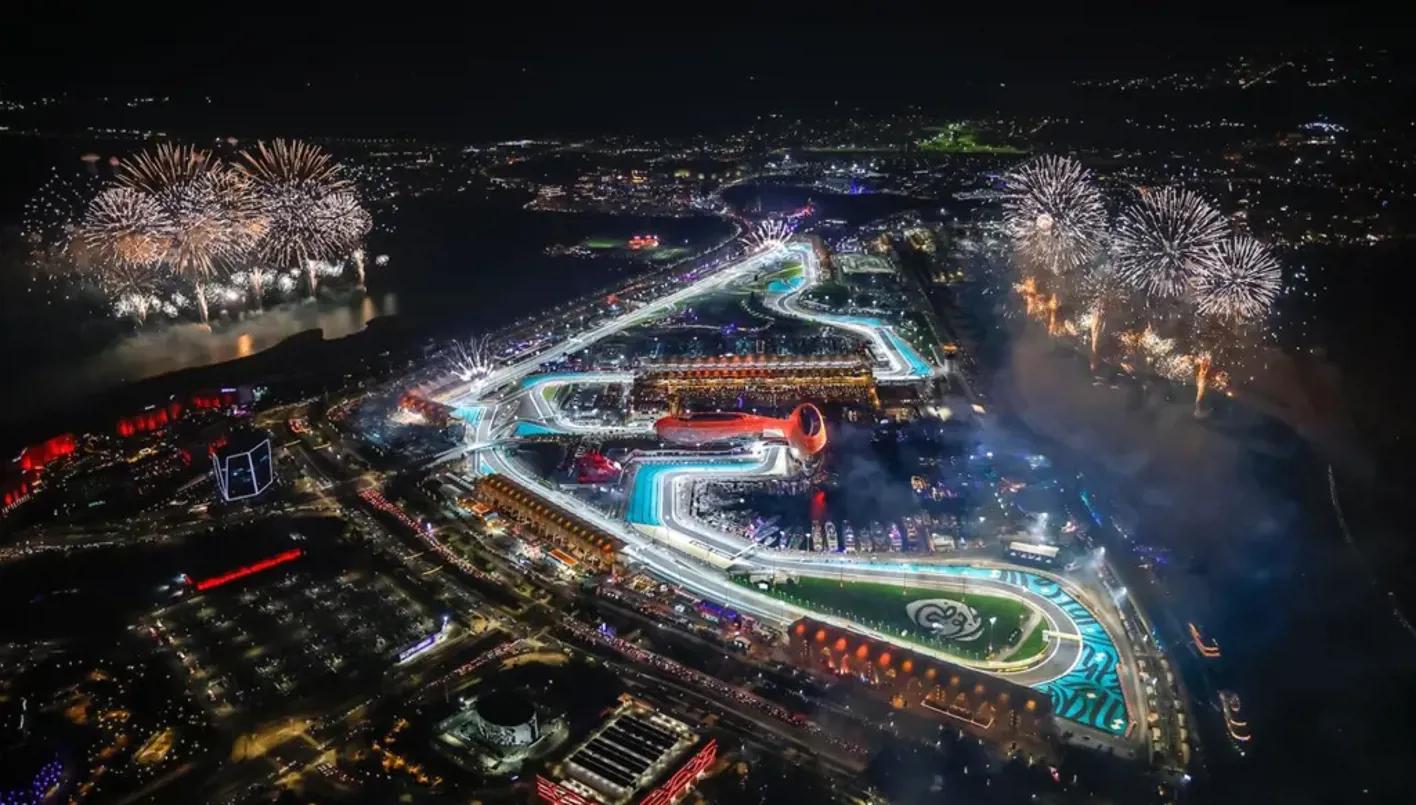
How To Fly Private To The Monaco Grand Prix: Airports, Slots And Timing

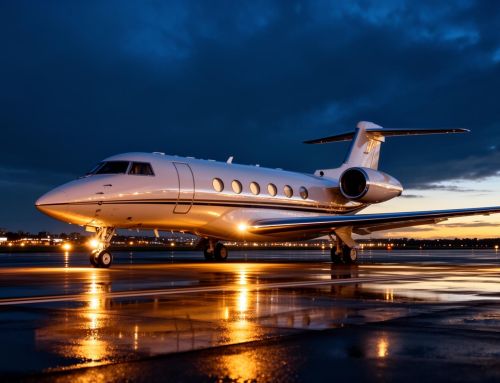
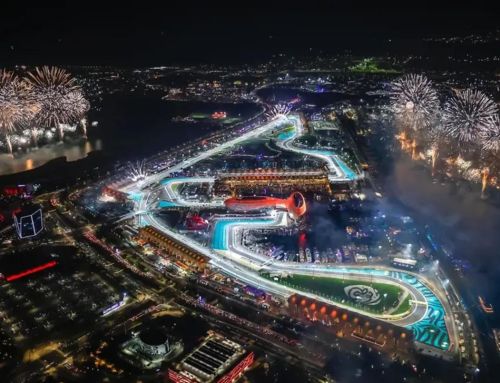
The Monaco Grand Prix is one of the most exclusive sporting events in the world. But arriving by private jet requires more than booking an aircraft. From airport selection and landing slots to aircraft parking and helicopter transfers, the details of your flight operation can make the difference between a seamless arrival and an unnecessarily complicated race weekend.
The Monaco Grand Prix is not simply a Formula 1 race. It is a meeting point for international business leaders, investors, celebrities and high-net-worth travellers, all converging on one of the world’s most prestigious destinations.
For those travelling by private aviation, the appeal is obvious: greater flexibility, privacy and control over the journey. Yet Monaco presents a logistical challenge that even experienced private jet travellers should understand.
Unlike many major sporting destinations, Monaco has no airport capable of accommodating fixed-wing aircraft. Private jets must land at a neighbouring airport before passengers continue to the Principality by helicopter or ground transportation.
And during Grand Prix weekend, when demand for business aviation reaches exceptional levels, securing the right airport slot, aircraft parking and onward transfer becomes just as important as selecting the aircraft itself.
Here is what travellers need to know before planning their private flight to the Monaco Grand Prix.
1. Where Should You Land? Choosing the Right Airport
The first decision is selecting the most suitable arrival airport. Three factors should guide the choice: aircraft capability, airport availability and the preferred transfer into Monaco.
Nice Côte d’Azur Airport (NCE / LFMN)
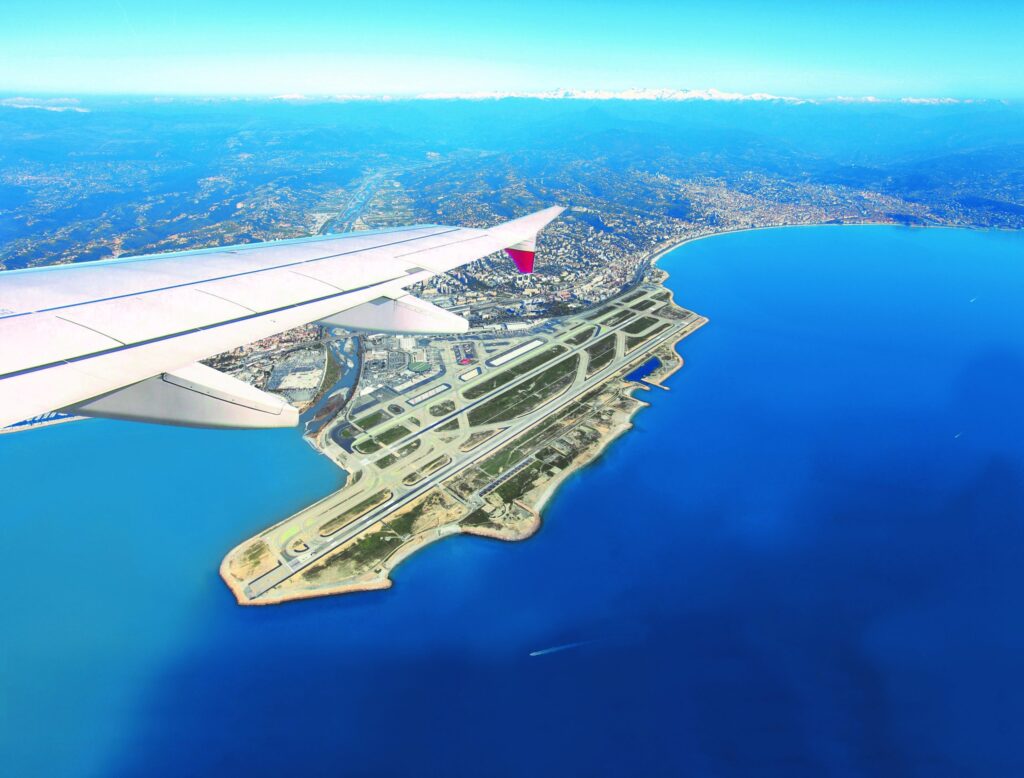
Nice Côte d’Azur Airport is the primary gateway for private aviation travellers visiting Monaco.
Located approximately 30 kilometres from the Principality, Nice offers extensive infrastructure for business aviation, including dedicated private aviation facilities and services for different aircraft categories.
Its main advantage is the onward helicopter connection. Passengers can travel from Nice Airport to Monaco Heliport in approximately seven minutes, making it one of the most efficient ways to reach the destination.
However, convenience comes with competition. During the Grand Prix, Nice experiences increased demand from private jets, commercial aviation and helicopter operators.
Travellers should consider:
- Landing and departure slot coordination.
- Aircraft parking availability.
- Ground handling arrangements.
- Customs and immigration requirements.
- Helicopter transfer availability.
Nice is generally the first airport to consider, particularly for long-range and large-cabin private jets.
Cannes-Mandelieu Airport (CEQ / LFMD)
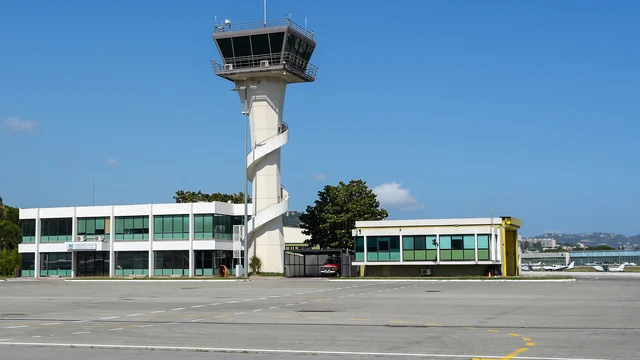
Cannes-Mandelieu is another option for business aviation travellers visiting the French Riviera.
Located west of Nice, the airport primarily serves general and business aviation and can be suitable for selected light and midsize aircraft.
Its proximity to Cannes makes it particularly attractive for travellers combining multiple events across the Riviera.
However, aircraft operating restrictions, runway characteristics, operating hours and parking capacity must be assessed before confirming the flight.
Cannes-Mandelieu is not suitable for every private jet, particularly larger aircraft. Operators should verify aircraft eligibility and airport acceptance before planning their arrival.
Alternative Airports: When Nice Is Fully Booked
When airport capacity becomes constrained, alternative airports may provide additional flexibility.
Depending on the aircraft, itinerary and operational requirements, possible alternatives include:
- Toulon-Hyères Airport (TLN / LFTH).
- Marseille Provence Airport (MRS / LFML).
- Genoa Cristoforo Colombo Airport (GOA / LIMJ).
- Le Castellet Airport (LFMQ), subject to aircraft acceptance and operating conditions.
These alternatives can require additional ground transportation or helicopter arrangements. Therefore, the lowest-cost landing option is not necessarily the most convenient overall solution.
The right airport is the one that delivers the best balance between aircraft compatibility, operational availability and total journey time.
2. Landing Slots: The Most Important Part of Grand Prix Planning
For private aviation, airport access during major international events is not simply a matter of arriving whenever the passenger chooses.
Landing and departure slots are essential operational considerations at capacity-constrained airports.
Nice Côte d’Azur operates under coordinated airport slot procedures. During the Monaco Grand Prix, demand increases significantly, making advance planning particularly important.
A successful flight operation requires coordination between the aircraft operator, handling agent and relevant airport authorities.
Key considerations include:
Arrival slots: The requested landing time must be coordinated and confirmed before departure planning is finalised.
Departure slots: Return flights require the same attention, particularly on Sunday evening after the race.
Aircraft parking: Securing permission to land does not automatically guarantee parking for the entire weekend.
Ground handling: Handling arrangements, passenger processing and aircraft turnaround must be organised in advance.
Operational restrictions: Airport operating conditions, noise restrictions and local procedures must be considered when building the schedule.
One important detail is aircraft parking. During peak event periods, an aircraft may be permitted to land and disembark passengers but may not receive permission to remain at the airport.
In such cases, repositioning the aircraft to another airport and returning it for the passengers’ departure may be the more practical solution.
This is why slot coordination and parking arrangements should be treated as separate but connected parts of the flight plan.
3. Helicopter Transfers: The Fastest Way into Monaco
Once the aircraft lands, the next challenge is reaching Monaco.
For many private jet passengers, the helicopter is the preferred solution.
Monaco Heliport, located in Fontvieille, provides access to the Principality without the need for a long road journey.
The helicopter journey from Nice Airport to Monaco typically takes approximately seven minutes.
By comparison, road transportation can take around 40–60 minutes under normal conditions, with considerably longer journeys possible during major events.
Travellers can generally consider two options:
Scheduled helicopter services
A practical option for individual passengers or smaller groups, subject to available seats and published schedules.
Private helicopter charter
A more flexible option for families, corporate groups and VIP travellers who prefer a dedicated aircraft and coordinated departure time.
However, helicopter availability also becomes limited during Grand Prix weekend. Booking the helicopter independently after securing the private jet can create unnecessary complications.
The more efficient approach is to coordinate both flight segments together, allowing the arrival time, passenger handling and onward transfer to work as one itinerary.
4. When Should You Book Your Private Jet?
Timing is one of the most underestimated aspects of private aviation during the Monaco Grand Prix.
The demand for aircraft, airport slots, parking positions, helicopter transfers and premium ground transportation increases considerably around the event.
Waiting until the final weeks can reduce available aircraft options and create difficulties securing preferred arrival and departure times.
A sensible planning strategy is to divide the process into three stages.
Three to six months before the event
- Confirm travel dates and passenger numbers.
- Identify suitable aircraft categories.
- Evaluate departure and arrival airports.
- Begin slot and parking coordination.
- Explore helicopter and ground transportation options.
One to three months before the event
- Finalise the aircraft and operator.
- Confirm airport handling arrangements.
- Review slot and parking status.
- Secure onward helicopter or chauffeur services.
- Verify passenger documentation and border requirements.
The final weeks before departure
- Reconfirm flight schedules and operational approvals.
- Monitor airport and air traffic restrictions.
- Verify ground transportation arrangements.
- Review contingency plans in case of schedule changes.
These are recommended planning windows rather than guaranteed airport deadlines. Actual availability depends on the airport, operator, aircraft and event-specific restrictions.
For particularly important business or VIP itineraries, starting earlier provides greater flexibility.
5. Choosing the Right Aircraft for the Journey
The ideal aircraft depends on the departure city, passenger numbers, baggage requirements and overall travel schedule.
For shorter European routes, light and midsize jets can offer an efficient solution.
For longer international journeys, super-midsize and large-cabin aircraft may be more appropriate.
| Aircraft category | Best suited for |
|---|---|
| Light Jets | Short European routes and smaller groups |
| Midsize Jets | Medium-range journeys and additional cabin comfort |
| Super-Midsize Jets | Longer European and regional routes |
| Heavy Jets | Long-range international travel and larger groups |
| Ultra-Long-Range Jets | Intercontinental journeys with maximum range and cabin space |
Aircraft selection should also consider runway compatibility, payload, fuel requirements and the availability of suitable airport parking.
A flight that looks straightforward on a map may require a different aircraft or operational arrangement once airport limitations are taken into account.
6. Why Flight Support Matters During the Monaco Grand Prix
Private aviation is often associated with flexibility, but major international events introduce operational restrictions that cannot simply be avoided by flying privately.
A well-organised journey requires coordination across several aviation services, including:
- Flight planning and operational coordination.
- Landing and overflight permits where required.
- Airport slot coordination.
- Ground handling arrangements.
- Aircraft parking coordination.
- Fuel arrangements.
- Helicopter and ground transportation coordination.
- Schedule monitoring and operational support.
The objective is not merely to secure an aircraft. It is to ensure that every stage of the journey is properly coordinated.
This is particularly important for passengers travelling from outside Europe, where flight permits, international border procedures, aircraft positioning and multiple operational arrangements may need to be considered.
An experienced flight-support partner can help operators and passengers navigate these requirements while reducing unnecessary delays and operational uncertainty.
7. Fly to the Monaco Grand Prix with JetMate Aviation
At JetMate Aviation, we understand that successful private aviation is about much more than getting an aircraft from one airport to another.
It is about coordinating every operational detail to make the journey as efficient and seamless as possible.
With an international flight-support network and operational coordination capabilities across Europe, the Middle East, Africa and Asia, JetMate Aviation supports aircraft operators, charter companies and private aviation clients with a range of ground and flight-support requirements.
For travellers planning to attend the Monaco Grand Prix, JetMate Aviation can assist with:
- Private jet charter coordination through available aircraft operators.
- Airport selection and operational planning.
- Landing slot and parking coordination.
- Ground handling arrangements.
- Fuel coordination.
- Landing and overflight permit support.
- Helicopter and ground transportation coordination through local service providers.
- 24/7 operational assistance.
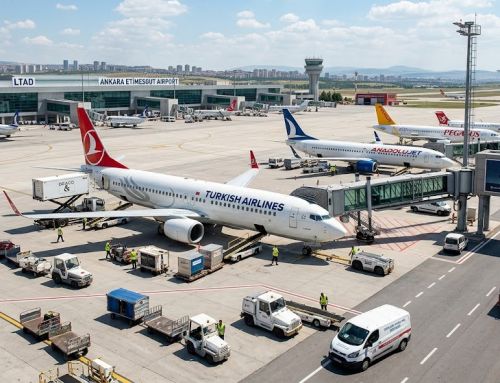
Whether you are travelling from London, Geneva, Dubai, Istanbul or another international destination, our team can help coordinate the operational requirements of your journey.
Our approach is straightforward: plan ahead, coordinate every detail and maintain operational support throughout the trip.
The Monaco Grand Prix is an experience worth enjoying. Your journey should be just as exceptional.
Contact JetMate Aviation to discuss your private aviation and flight-support requirements for the Monaco Grand Prix.
JetMate Aviation | Your Global Flight Support Partner
Website: https://jetmate.aero
Email: [email protected]
UAE: +971 4 501 5855
Turkey: +90 212 803 4395
24/7 Flight Support for Operators Worldwide.
Frequently Asked Questions
Can a private jet land directly in Monaco?
No. Monaco does not have an airport for fixed-wing aircraft. Private jets typically land at Nice Côte d’Azur or another suitable regional airport, followed by a helicopter or road transfer to Monaco.
What is the closest airport for private jets visiting Monaco?
Nice Côte d’Azur Airport is the primary private aviation gateway. It offers convenient access to Monaco, including a helicopter connection of approximately seven minutes.
How long does a helicopter take from Nice to Monaco?
The flight generally takes around seven minutes, depending on operating conditions.
Do private jets need landing slots during the Monaco Grand Prix?
Airport slot coordination is an important requirement at Nice, particularly during major events. Requests and approvals must be handled through the appropriate airport coordination and handling procedures.
Can my private jet remain parked at Nice throughout the Grand Prix weekend?
Not necessarily. Aircraft parking is limited during high-demand periods, and parking permission must be confirmed separately. Repositioning the aircraft to another airport may be required.
When should I arrange my private jet for the Monaco Grand Prix?
Ideally, begin planning three to six months in advance. Earlier planning can provide more flexibility when selecting aircraft, coordinating airport slots and arranging helicopter transfers.
Can JetMate Aviation help arrange my trip to Monaco?
Yes. JetMate Aviation can support the operational planning of your journey, including charter coordination, flight permits, airport slots, ground handling, fueling and onward transportation arrangements, subject to availability and applicable approvals.